

실험자 배경
권병준의 로보틱 사운드 워크숍은 그의 음악적 여정과 기계 연극의 궤적이 만나는 지점에 위치한다. 1990년대 싱어송라이터로 활동을 시작한 그는 이후 암스테르담 기반의 전자악기 연구개발 기관 스타임(STEIM)에서 하드웨어 엔지니어로 일했으며, 귀국 이후에는 새로운 악기와 무대장치를 기반으로 음악, 연극, 미술을 아우르는 뉴미디어 퍼포먼스를 기획·연출해 왔다. 2018년 《클럽 골든 플라워》를 통해 로봇 퍼포먼스를 처음 선보였고, 최근에는 로봇을 활용한 기계적 연극으로 작업을 확장하고 있다.
Byungjun Kwon’s Robotic Sound Workshop stands at the convergence of the artist’s musical trajectory and his investigations in mechanical theater. Beginning his career as a singer-songwriter in the 1990s, Kwon subsequently worked as a hardware engineer at STEIM, the Amsterdam-based research institute for the invention of new electronic musical instruments. Since returning to Korea, Byungjun Kwon has conceived and directed new media performanced that bring together music, theater, and visual art through the development of new instruments and stage apparatuses. He first presented his robot performances through Club Golden Flower(2018). His practice has recently extended into the realm of mechanical theater utilizing robotics.
실험 기록
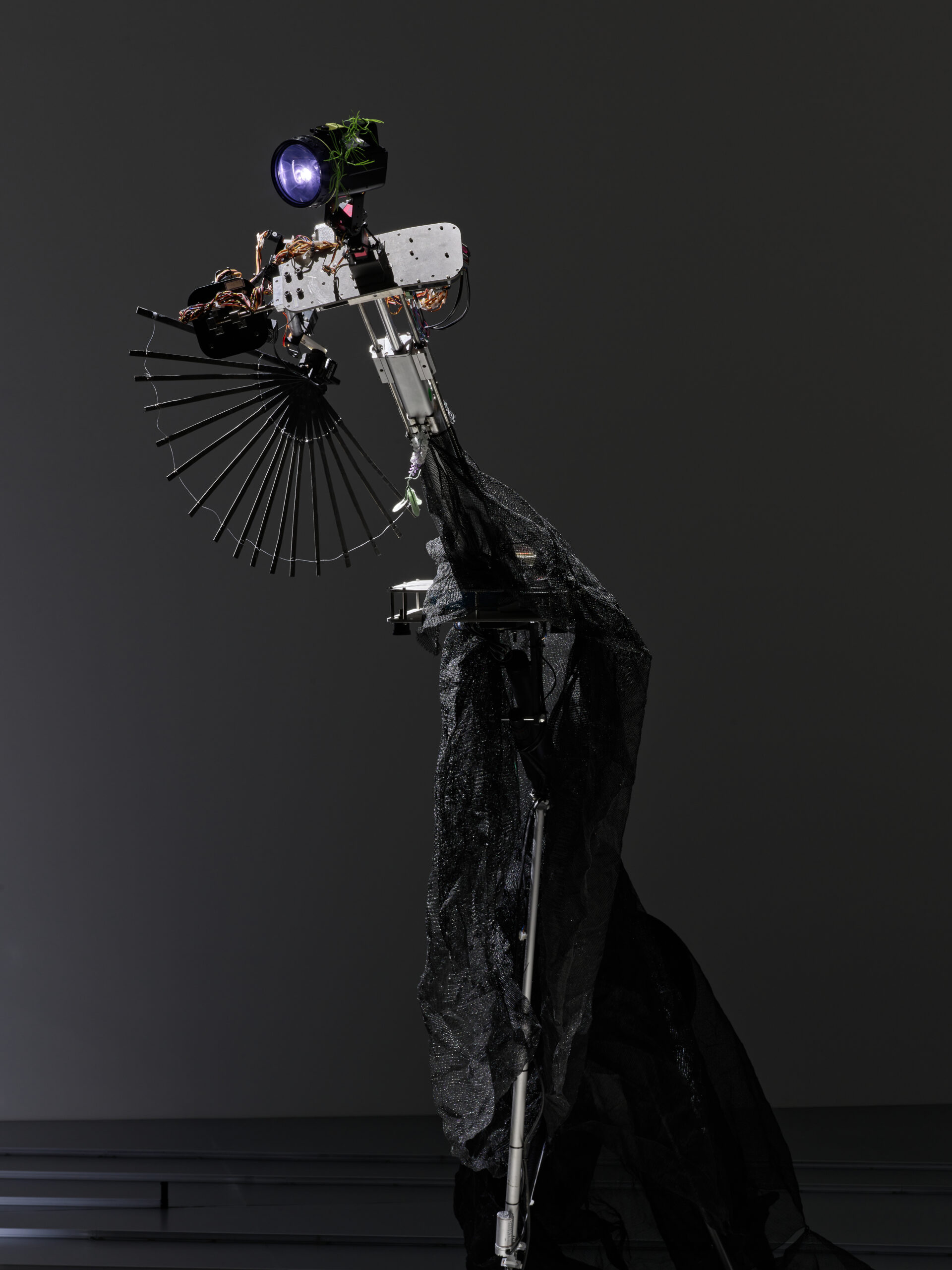
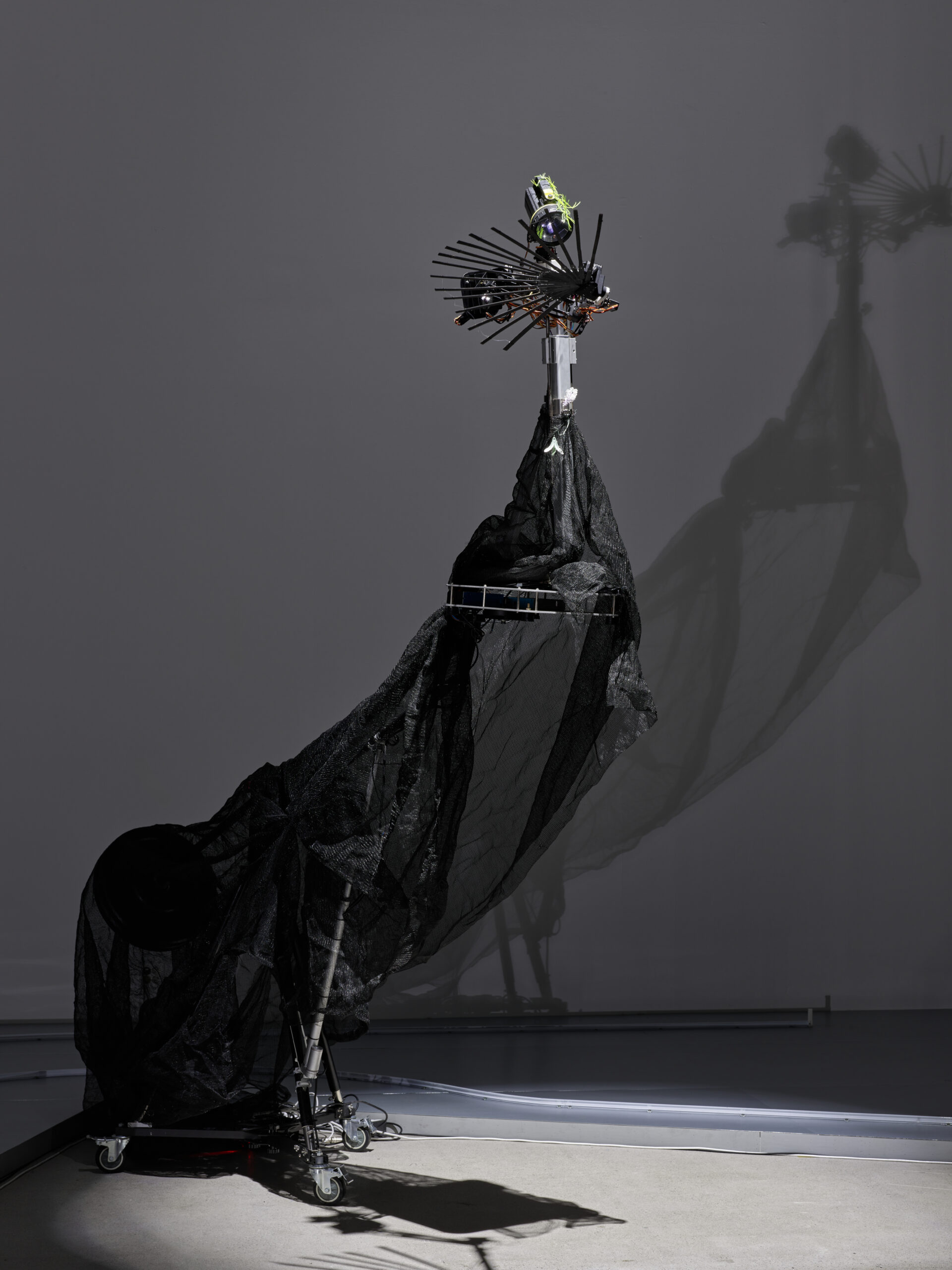
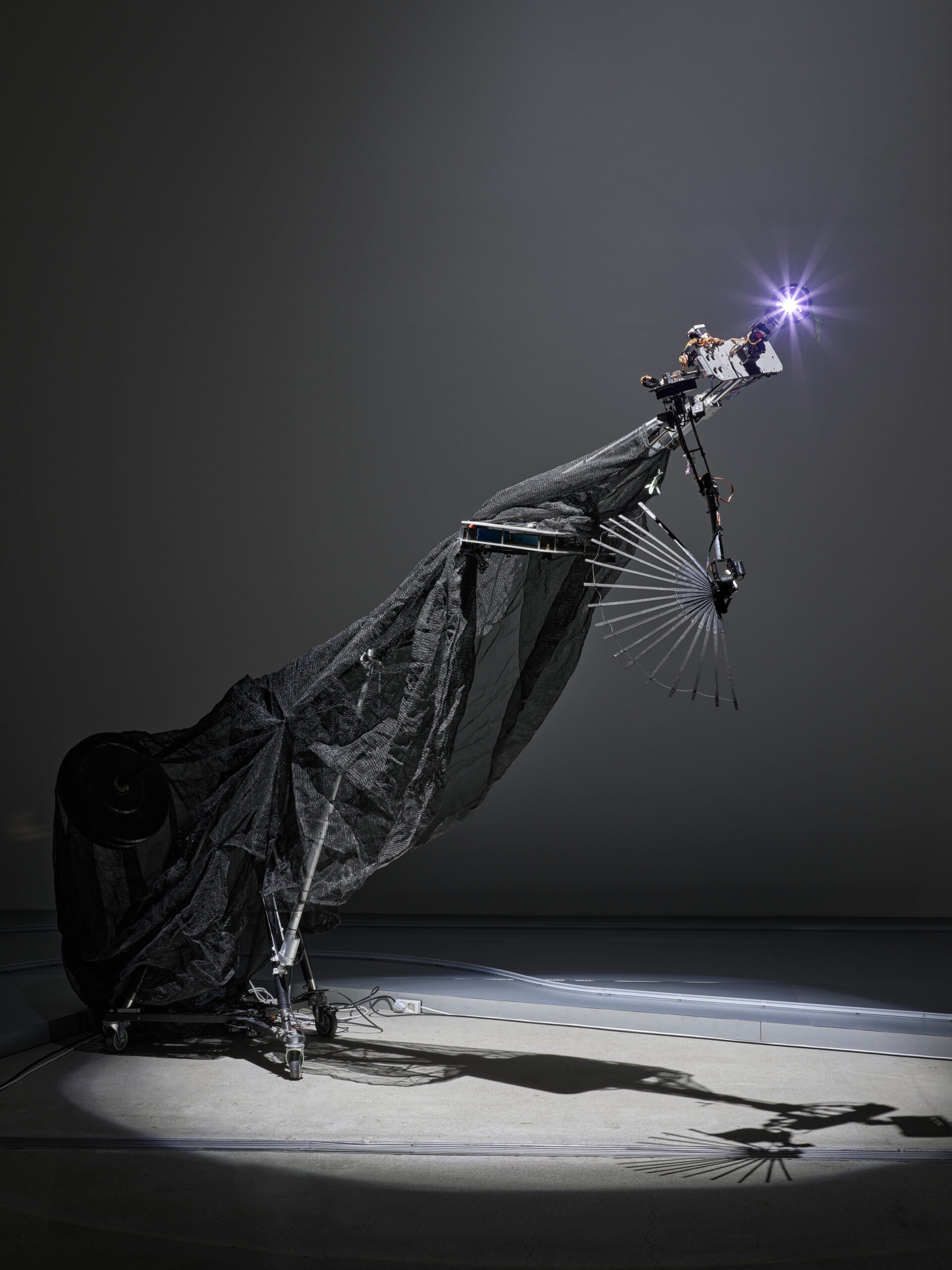
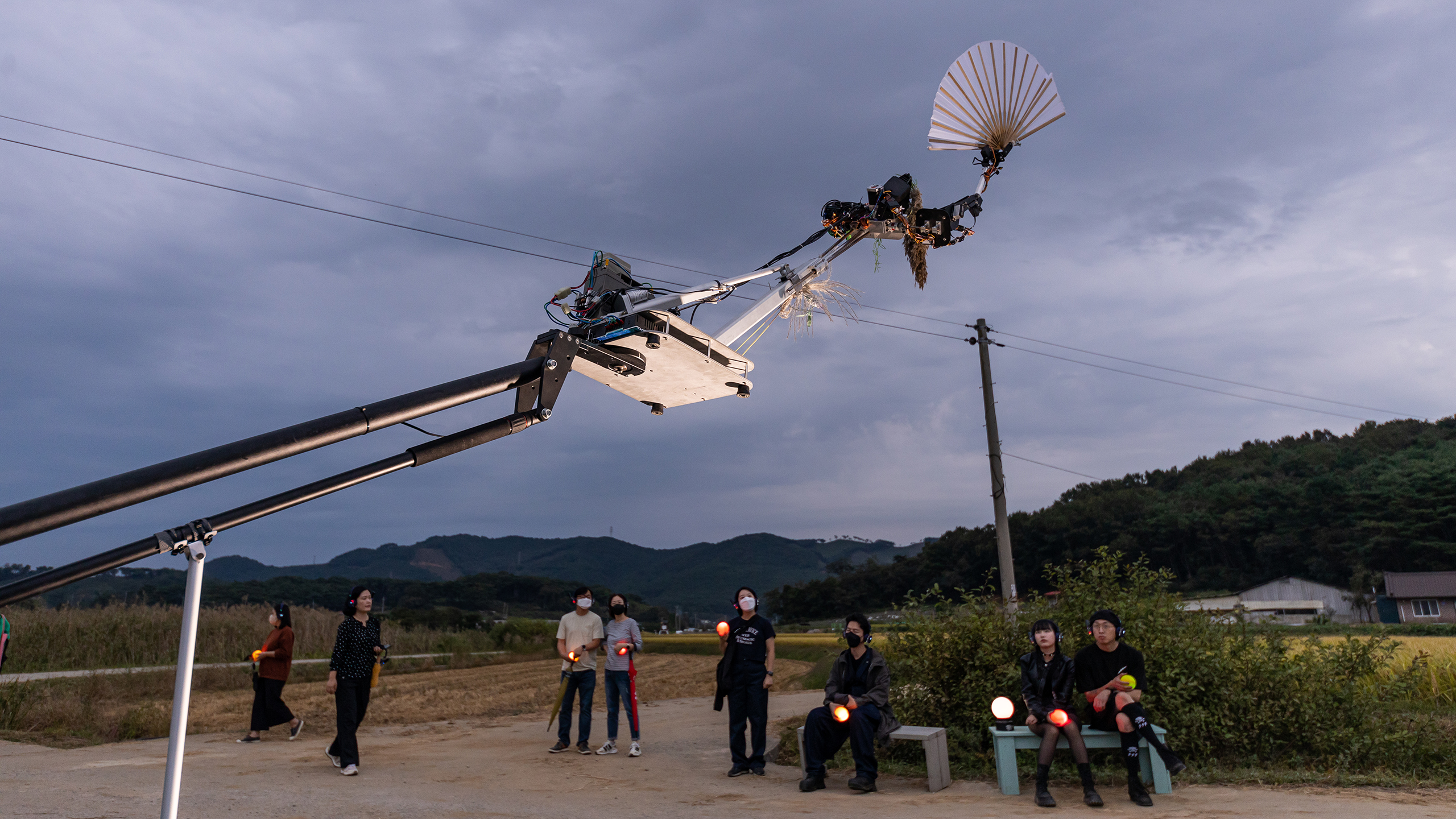
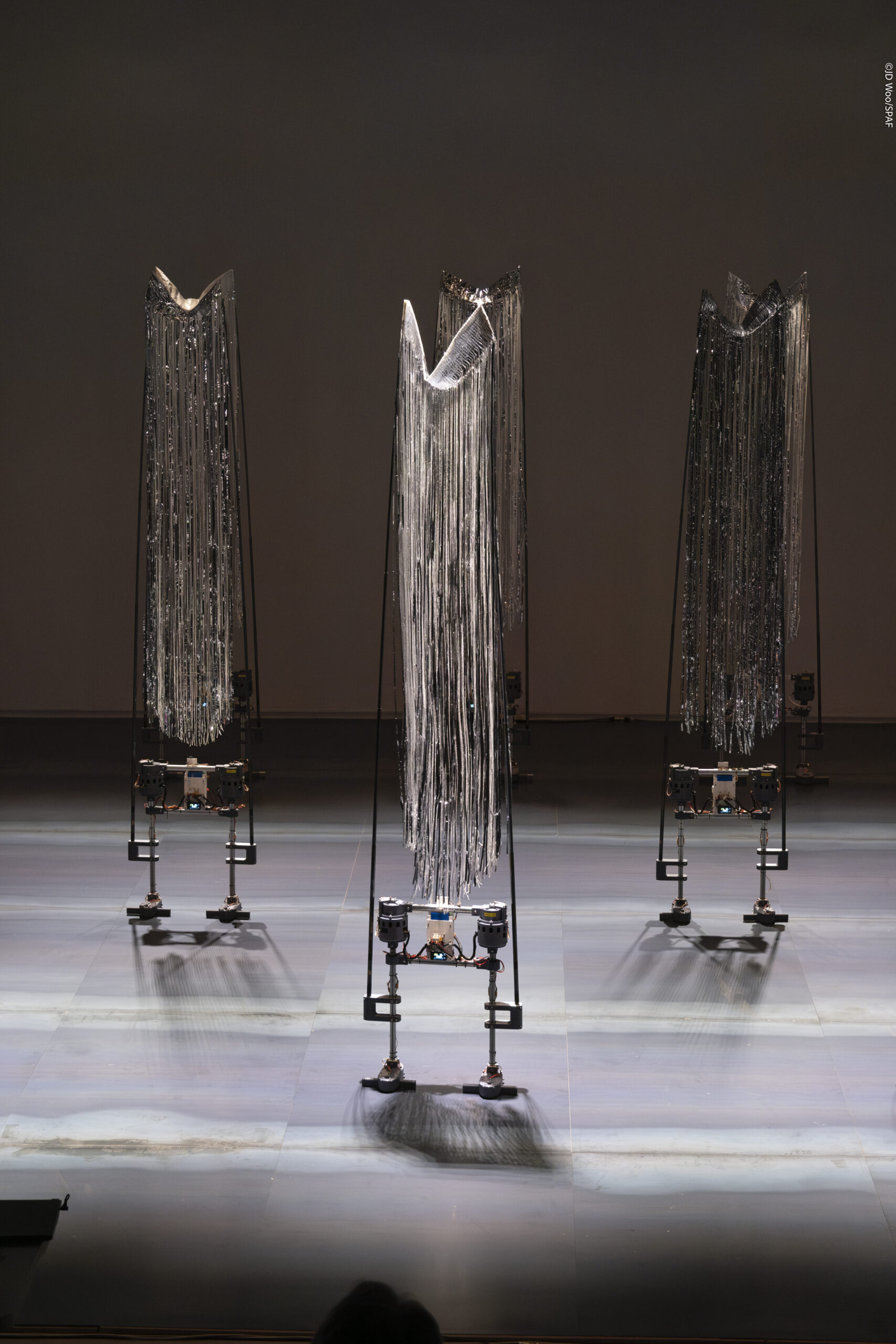
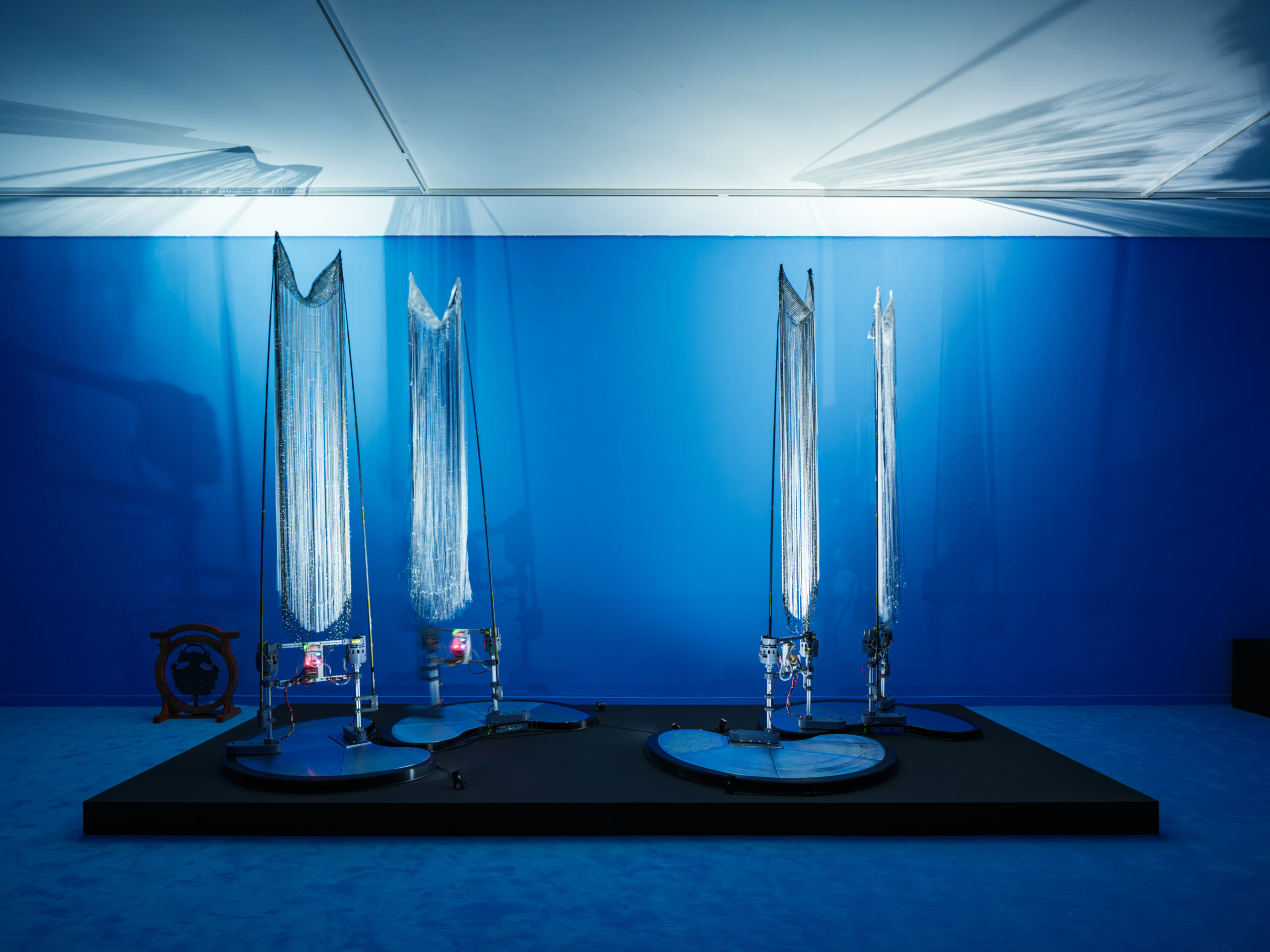
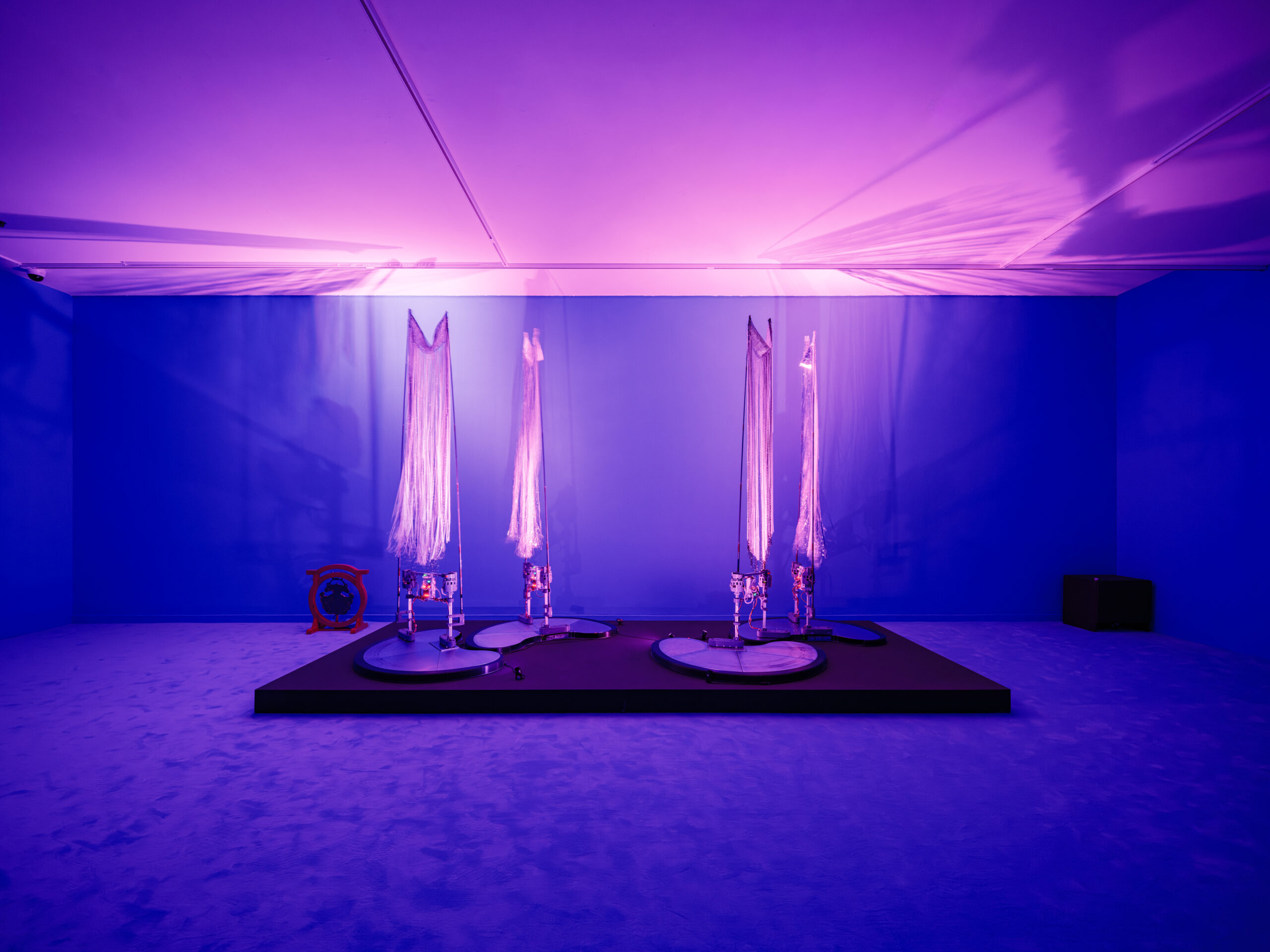
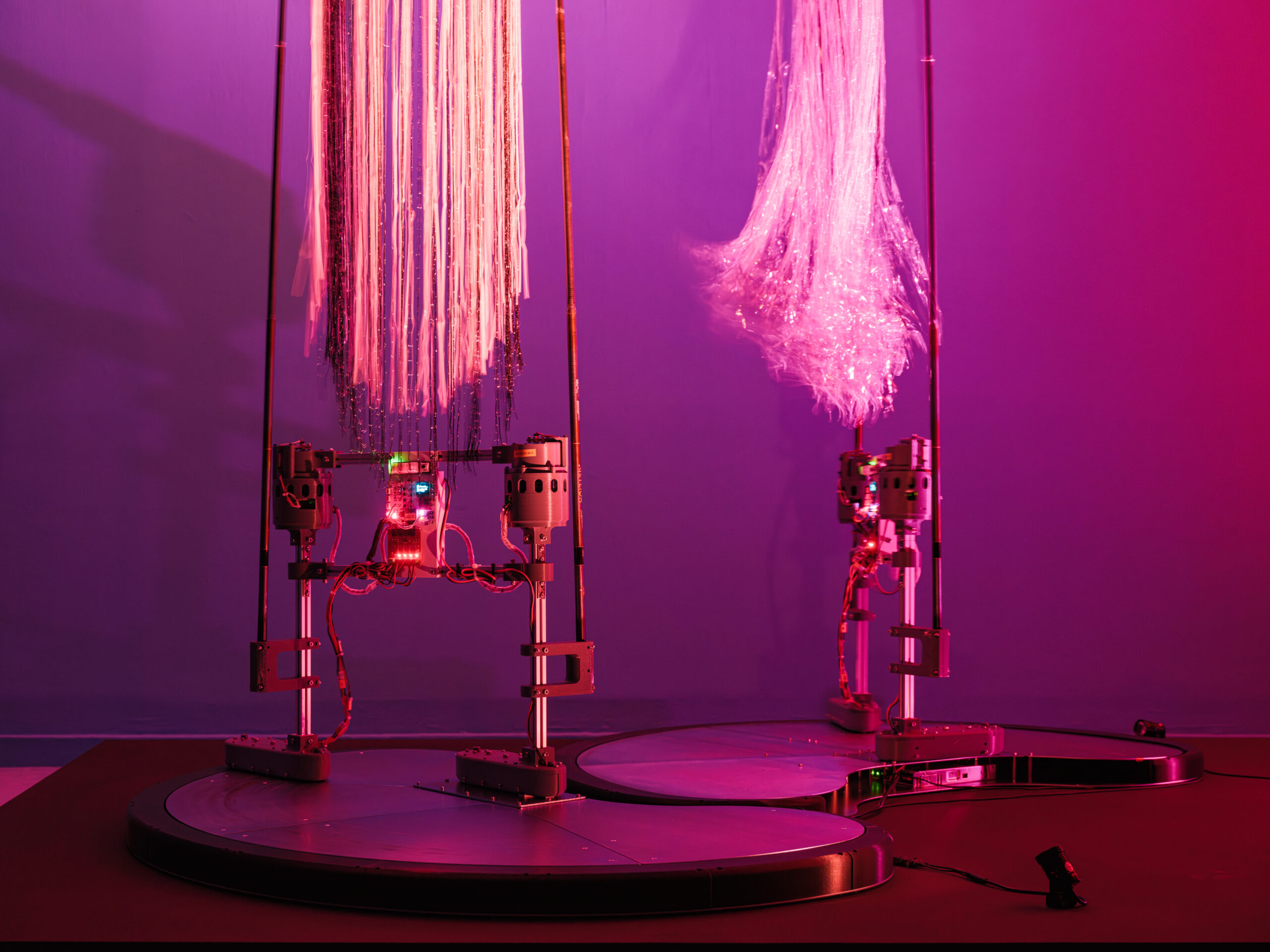
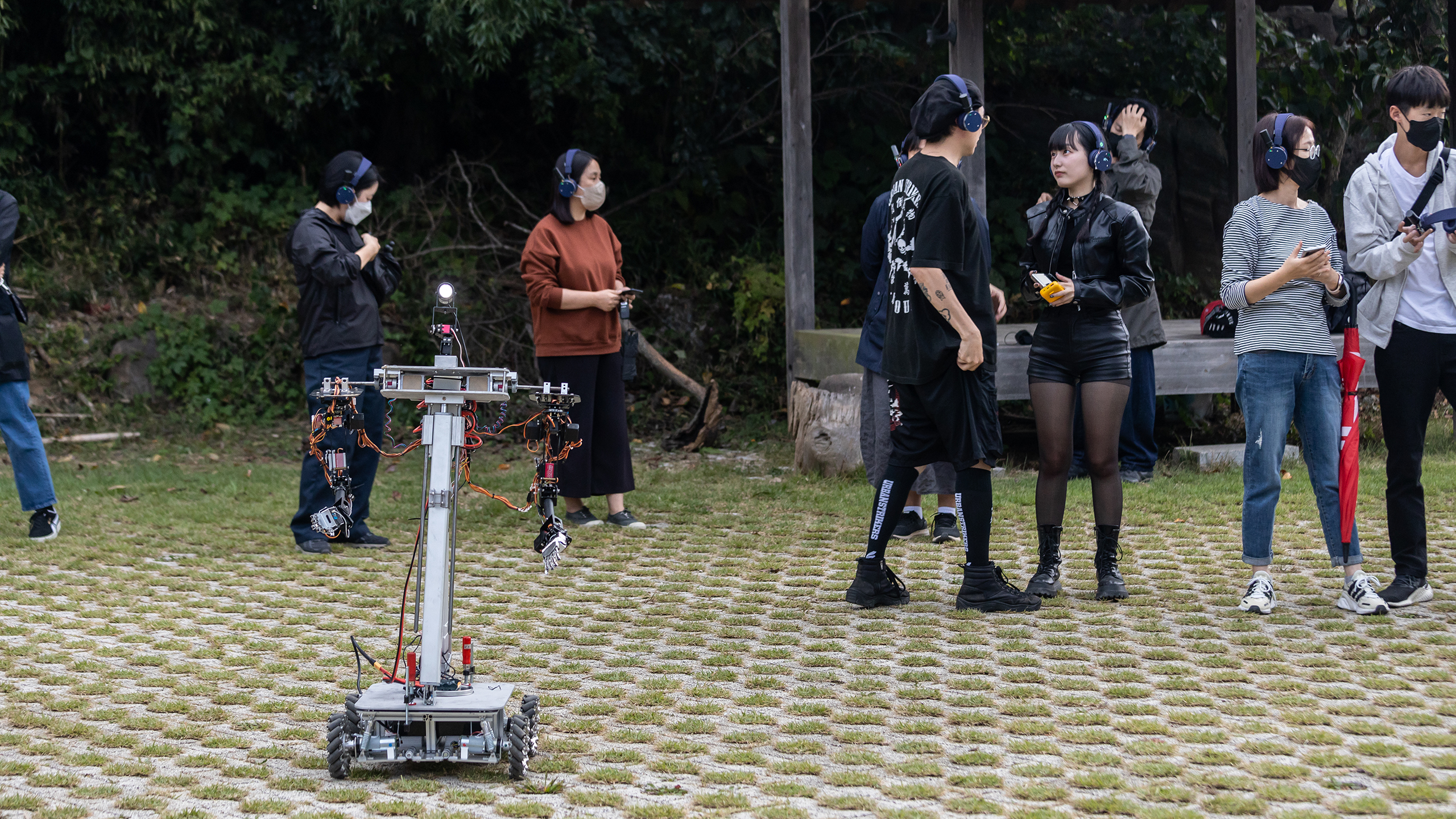
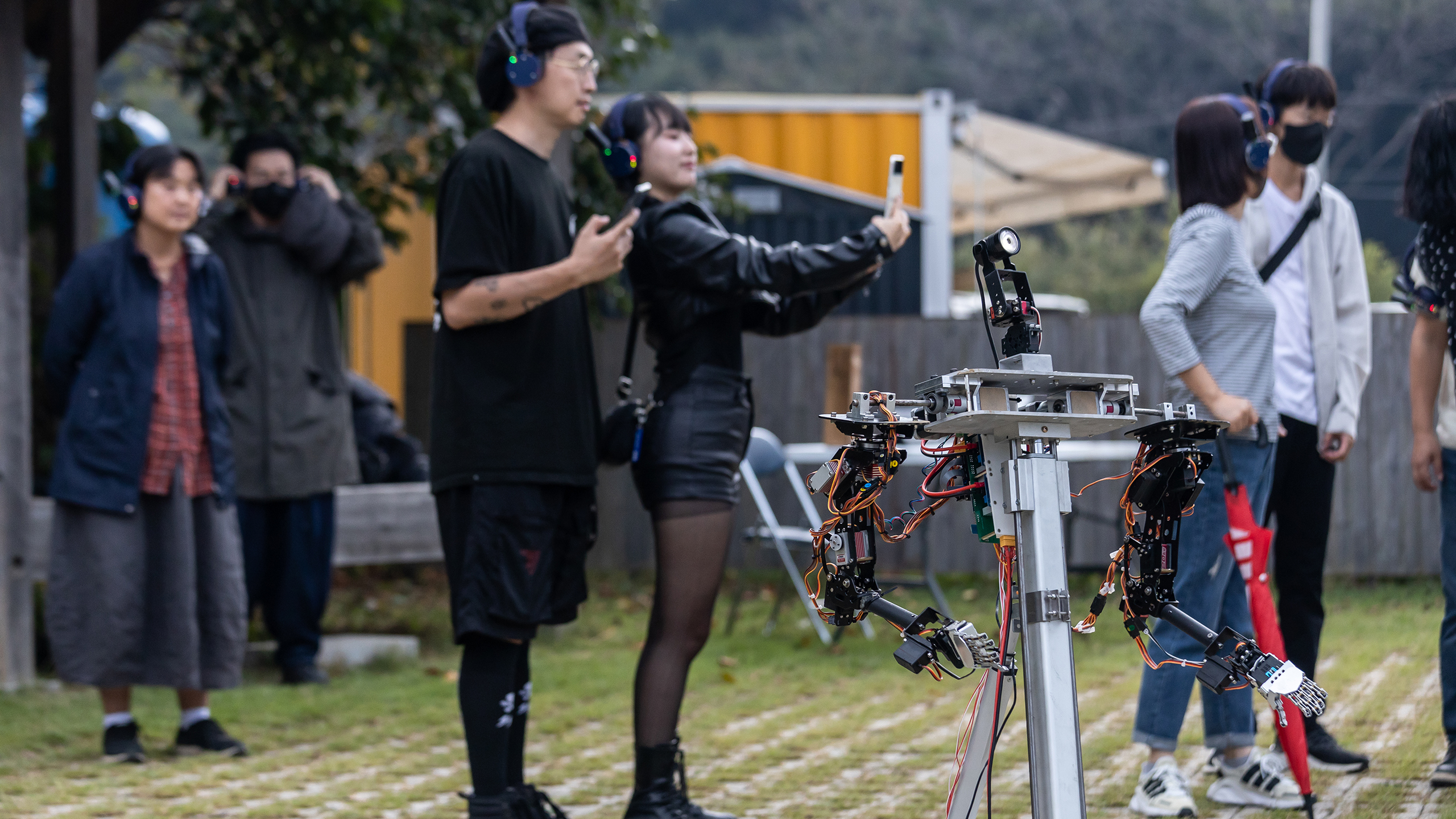
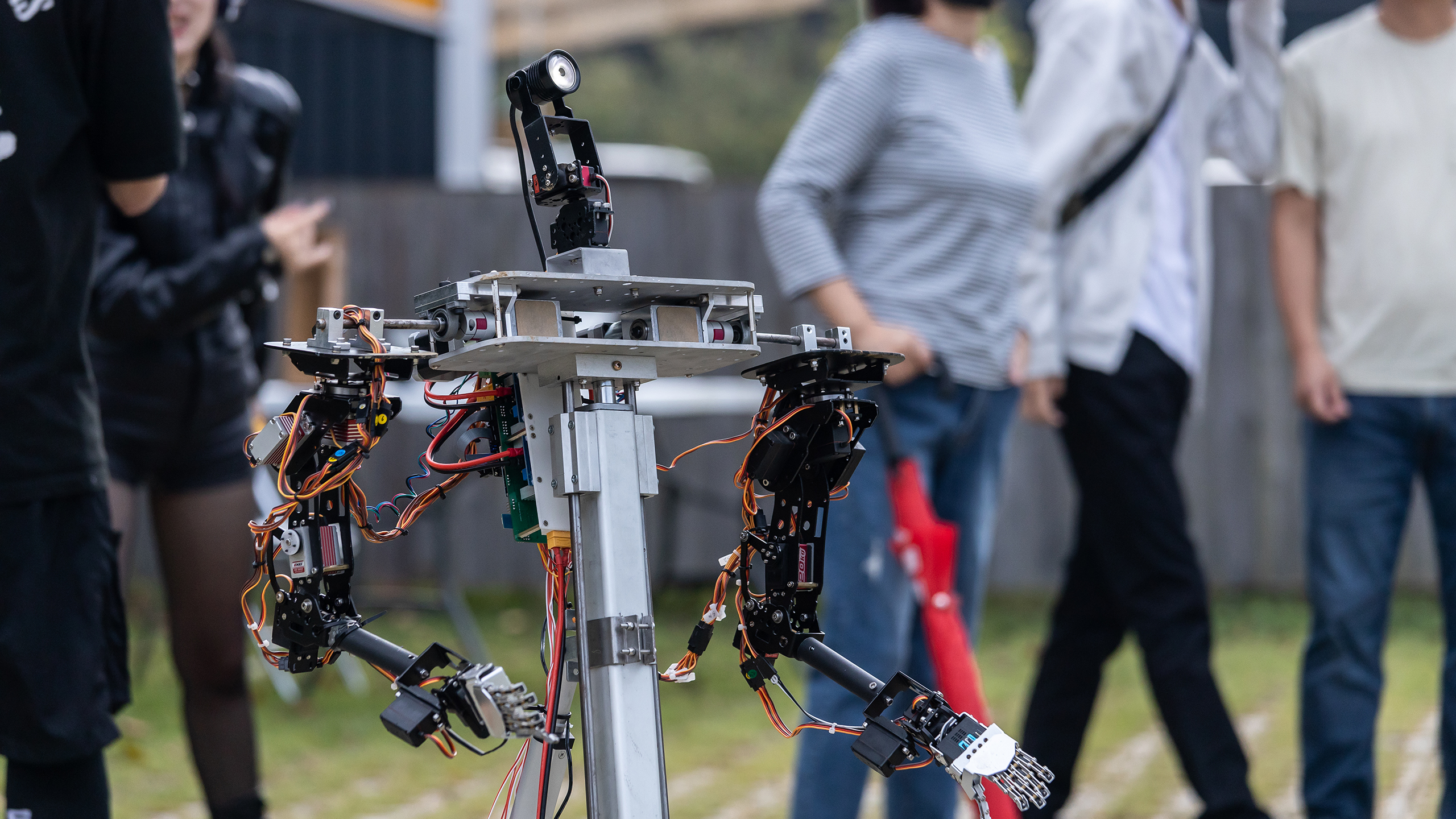
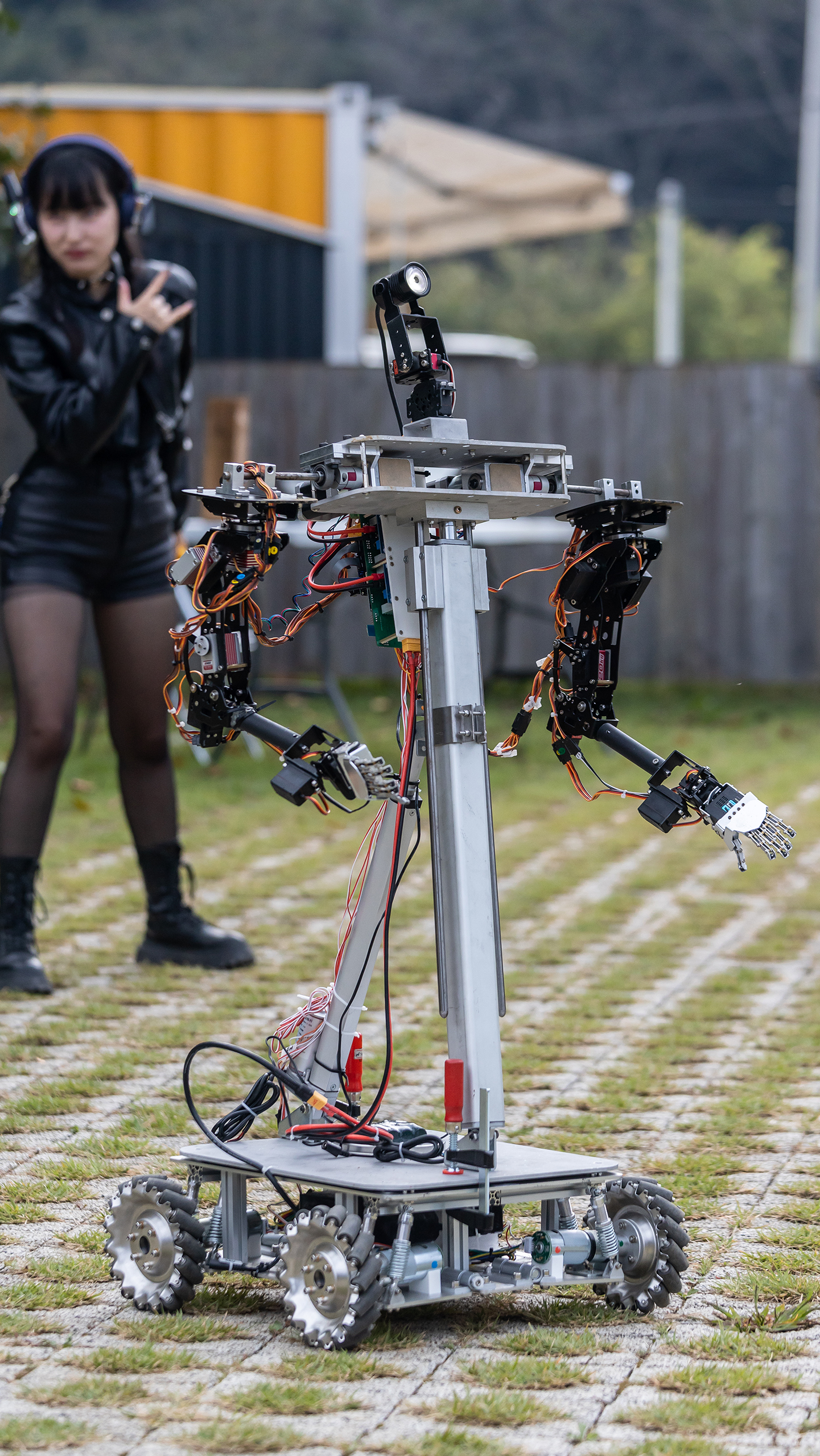
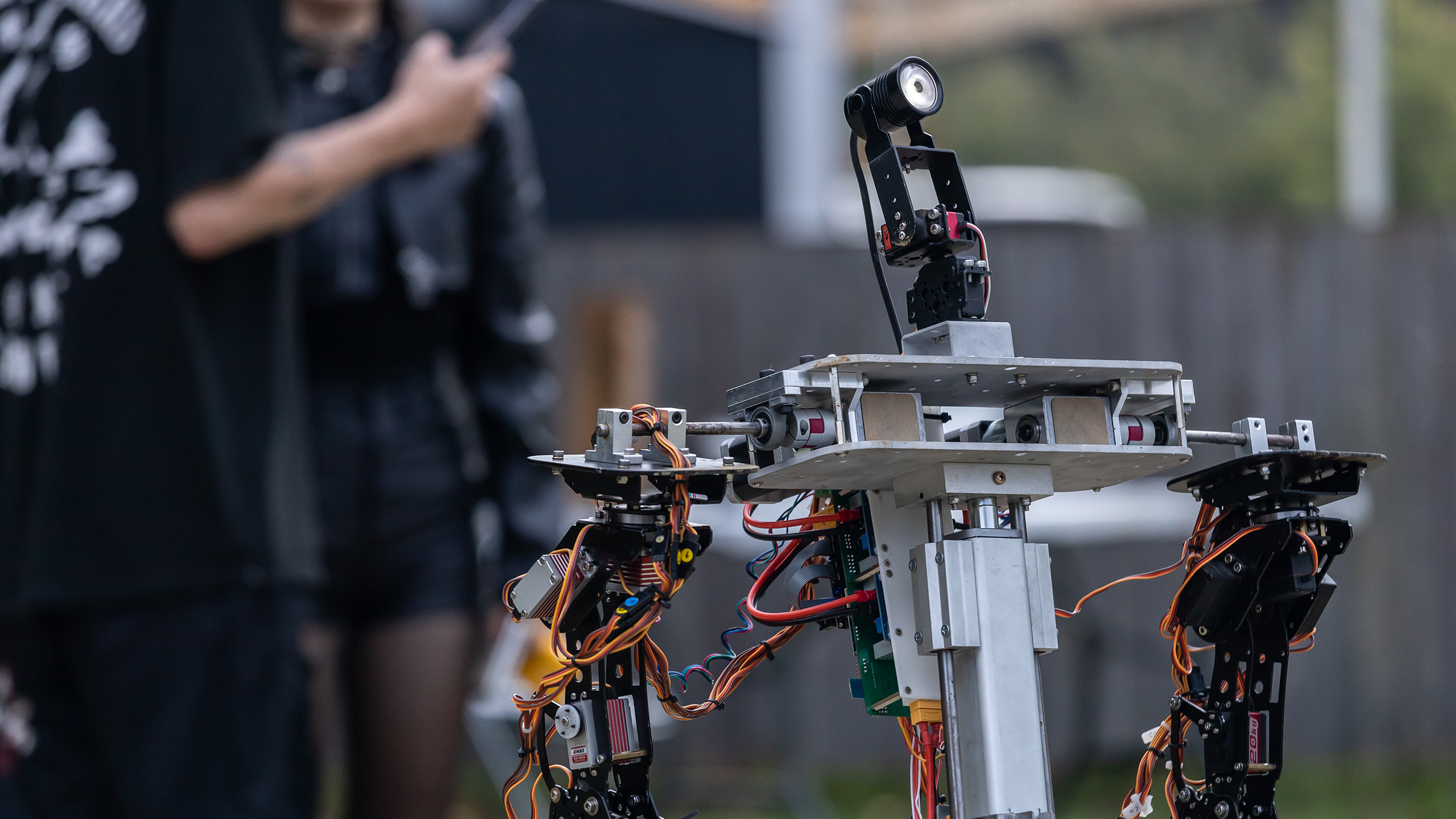
〈로보틱 사운드 워크숍〉에서 제작·수행되는 로봇들은 이름을 가지고 있다. 시인 이상의 『오감도』에서 가져온 ‘아해’라는 이름의 로봇은 기계적 연극 〈새들의 날에〉(2024)를 위해 처음 만들어졌다. 이들은 하늘과 땅을 연결하는 존재이자 신과 인간을 연결하는 존재다. 이들은 신의 말을 인간에게 전달해 주고 인간의 말을 신에게 전해 주는 번역가이자 언어의 발명가이기도 하다. 그들의 언어는 향기이고, 문자는 몸짓이다.
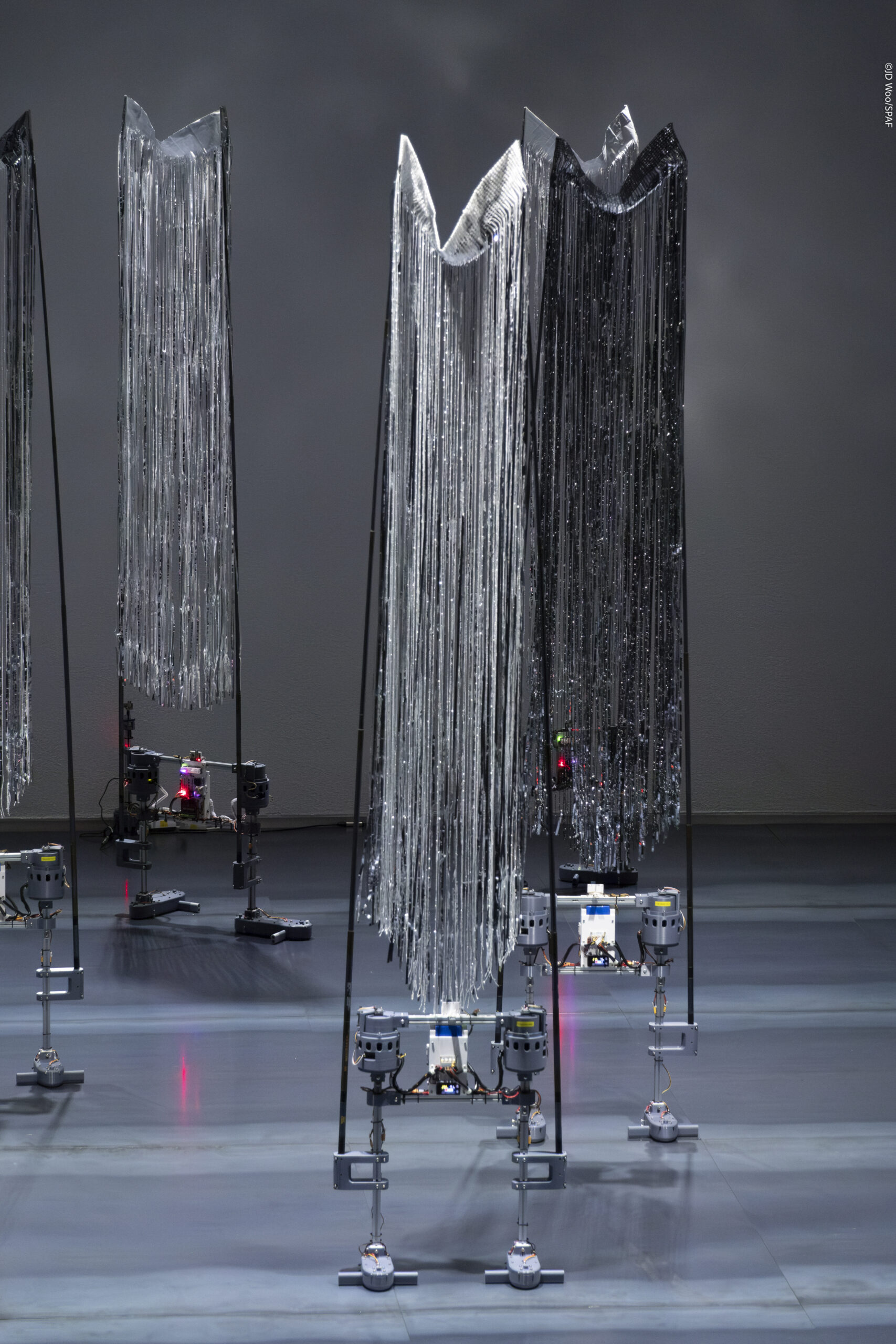
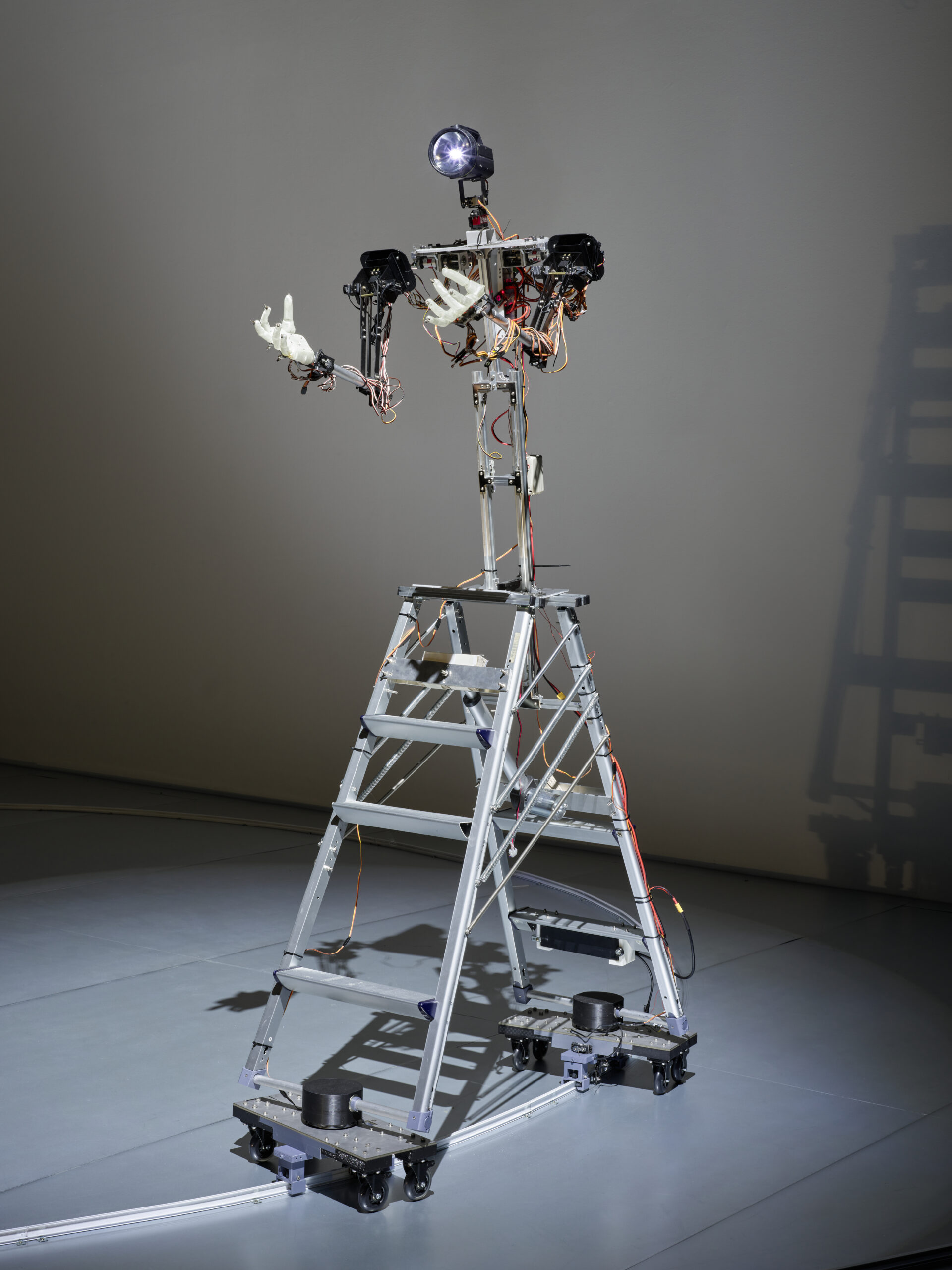
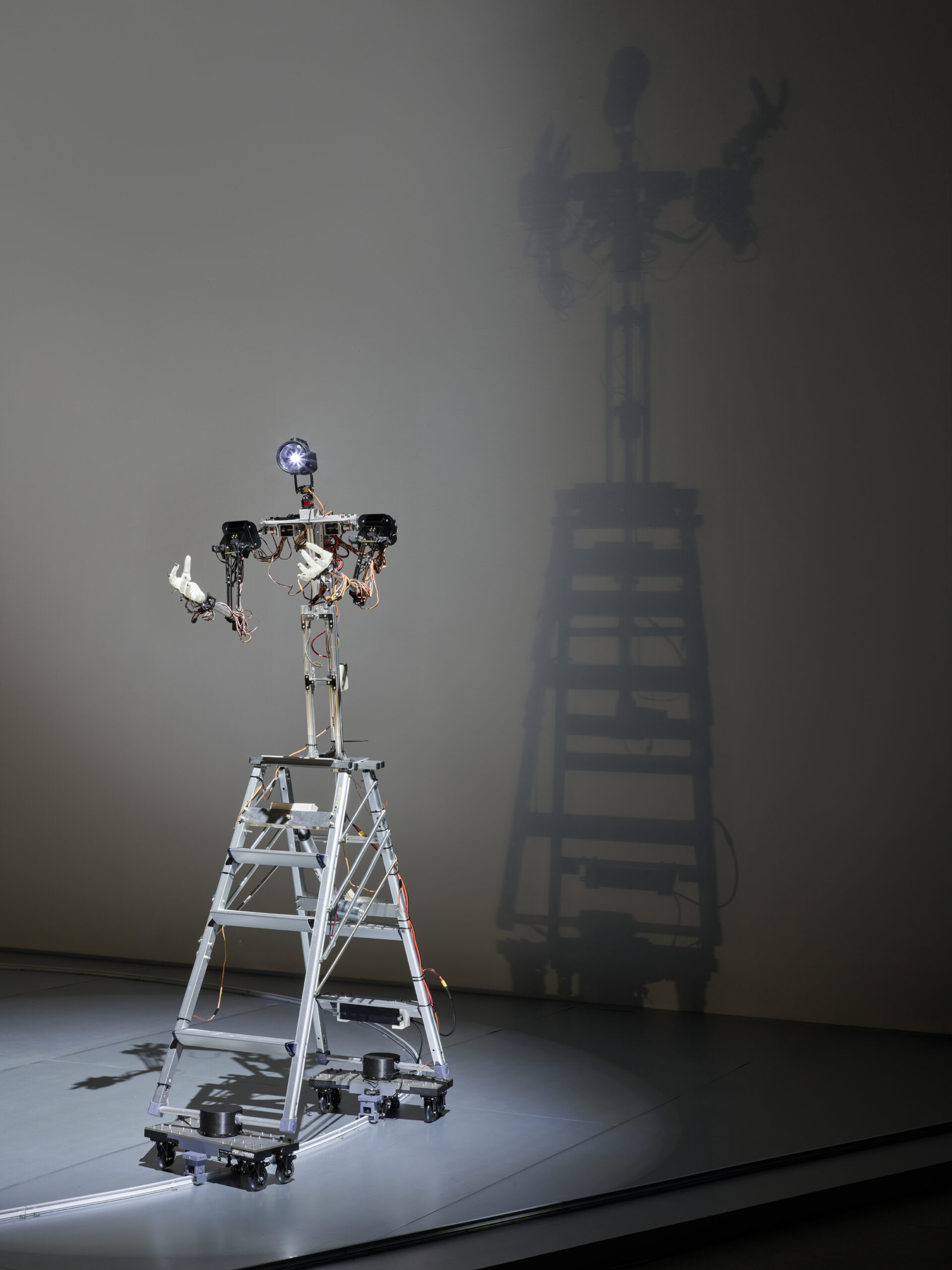
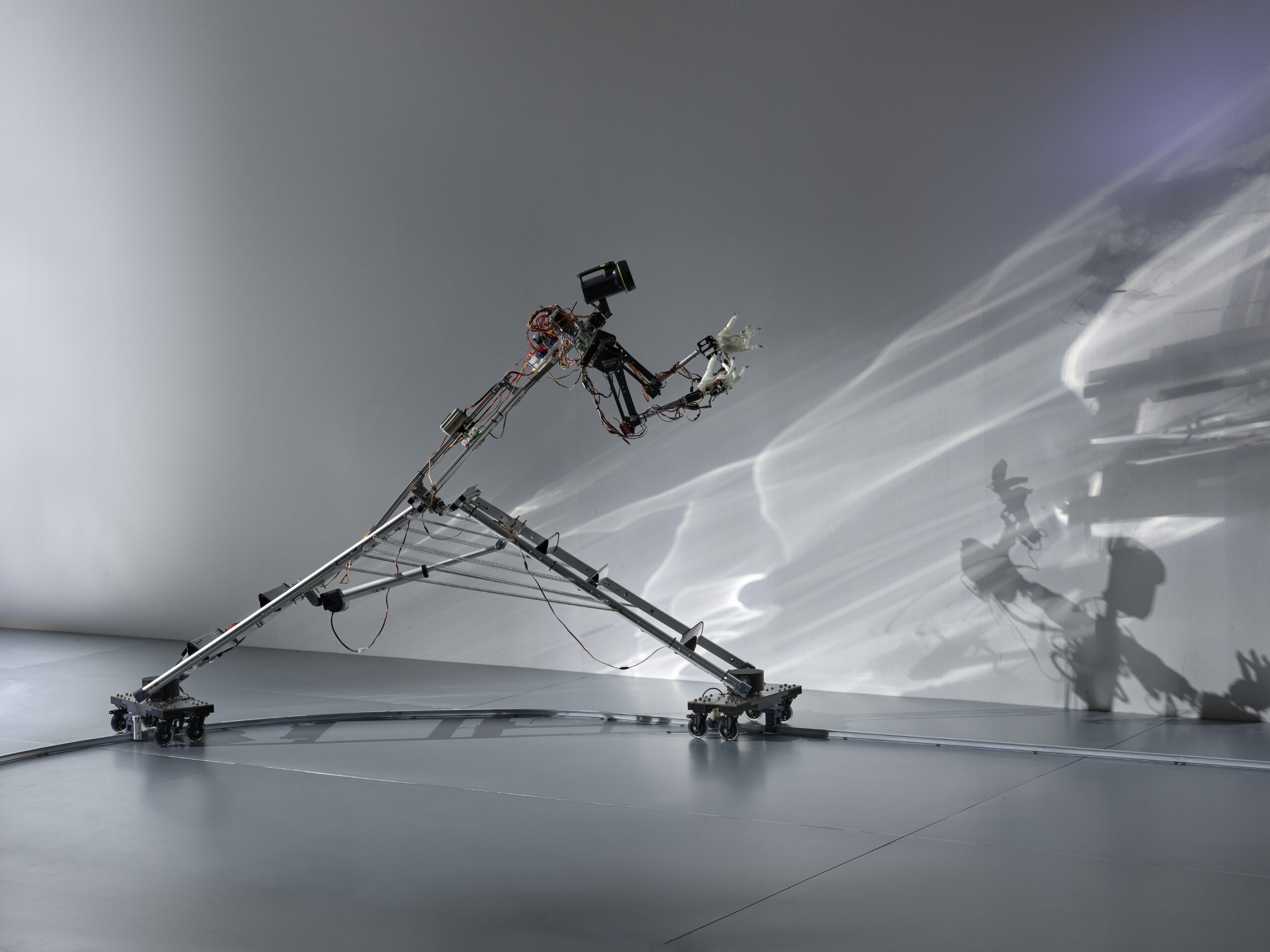
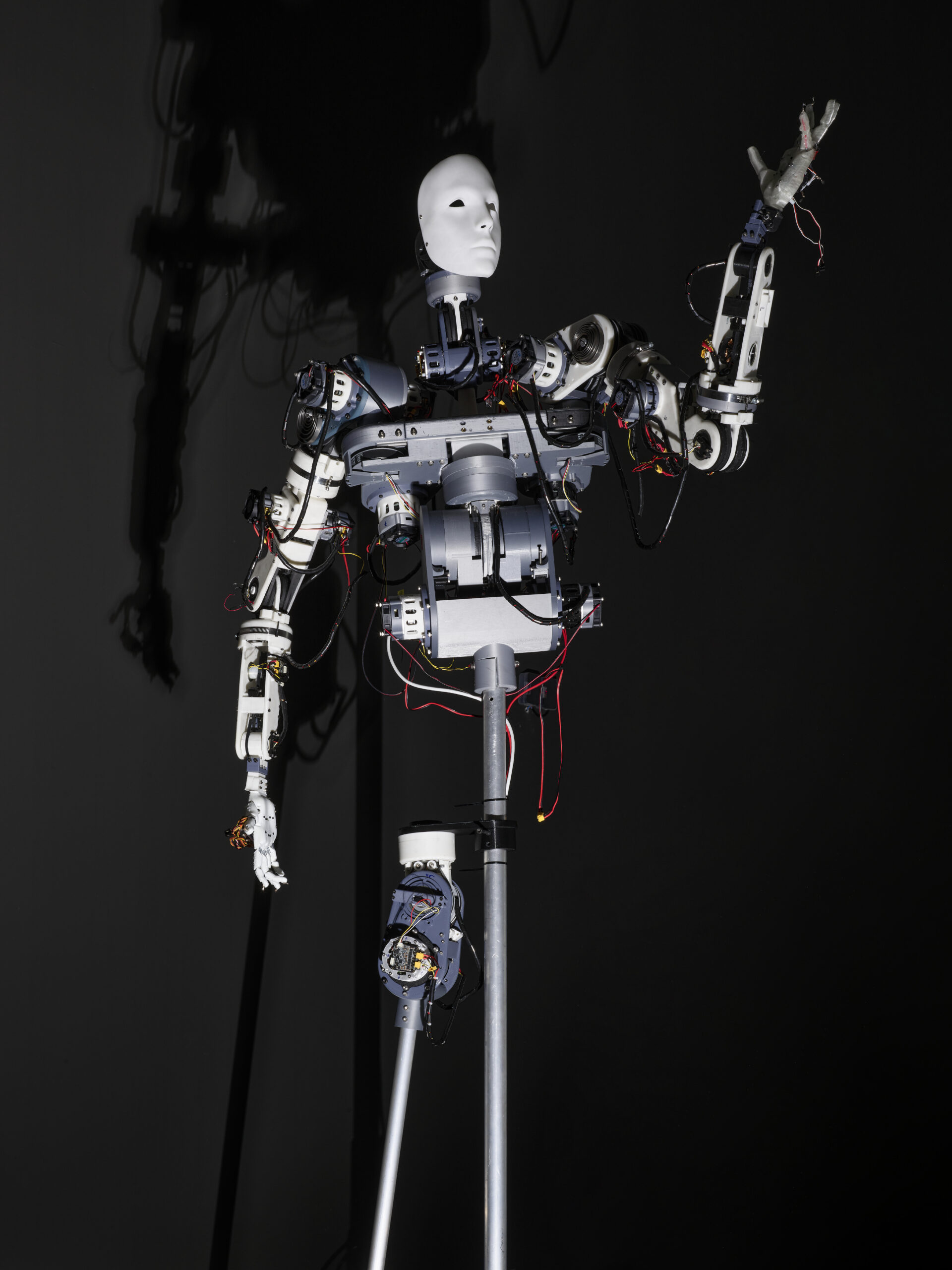
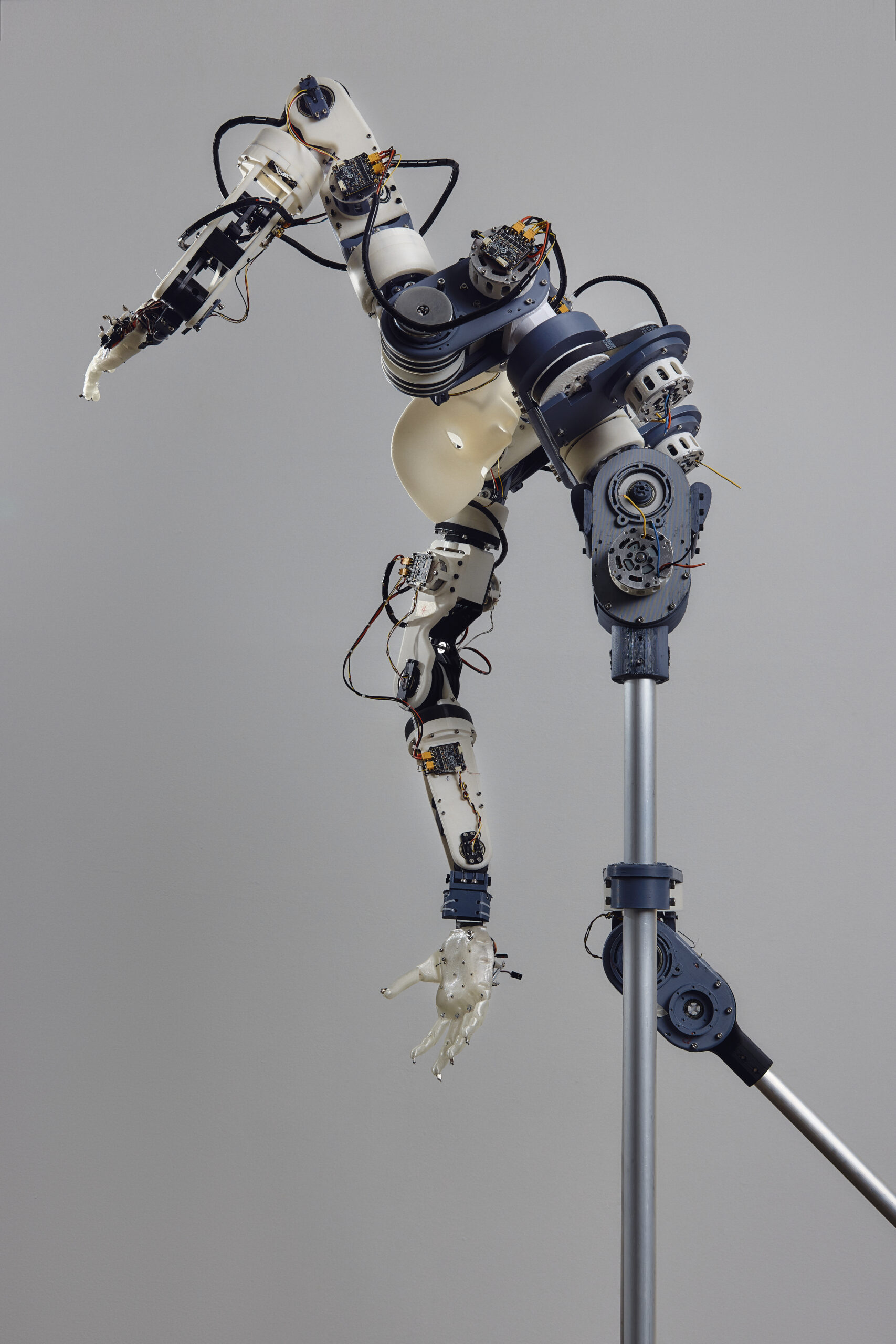
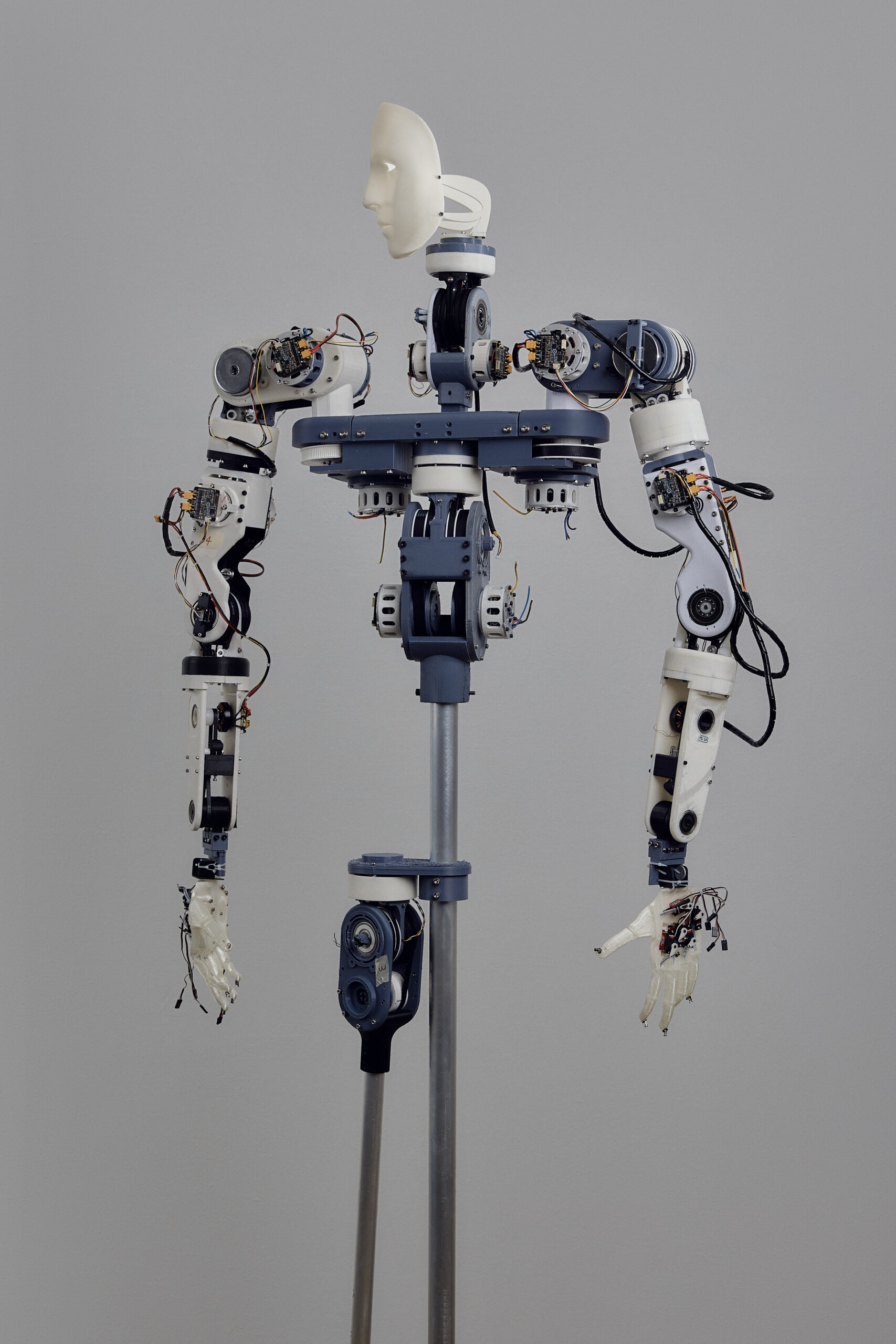
로봇 〈GF3〉는 인간의 상반신을 모사한 작품으로 작가의 페르소나가 깊게 투영되어 있다. 3D 프린팅 기법을 도입해 금속 부품의 사용을 최소화했으며, 이를 통해 2미터에 달하는 넓은 활동 반경을 확보하면서도 기체의 무게와 전력 소모를 효율적으로 관리하고 있다. 기계 장치 위에 영성을 부여하거나 인간의 기억과 섬세한 몸짓을 결합함으로써 생명력을 지닌 존재로 거듭나고 있다.
관찰 소견
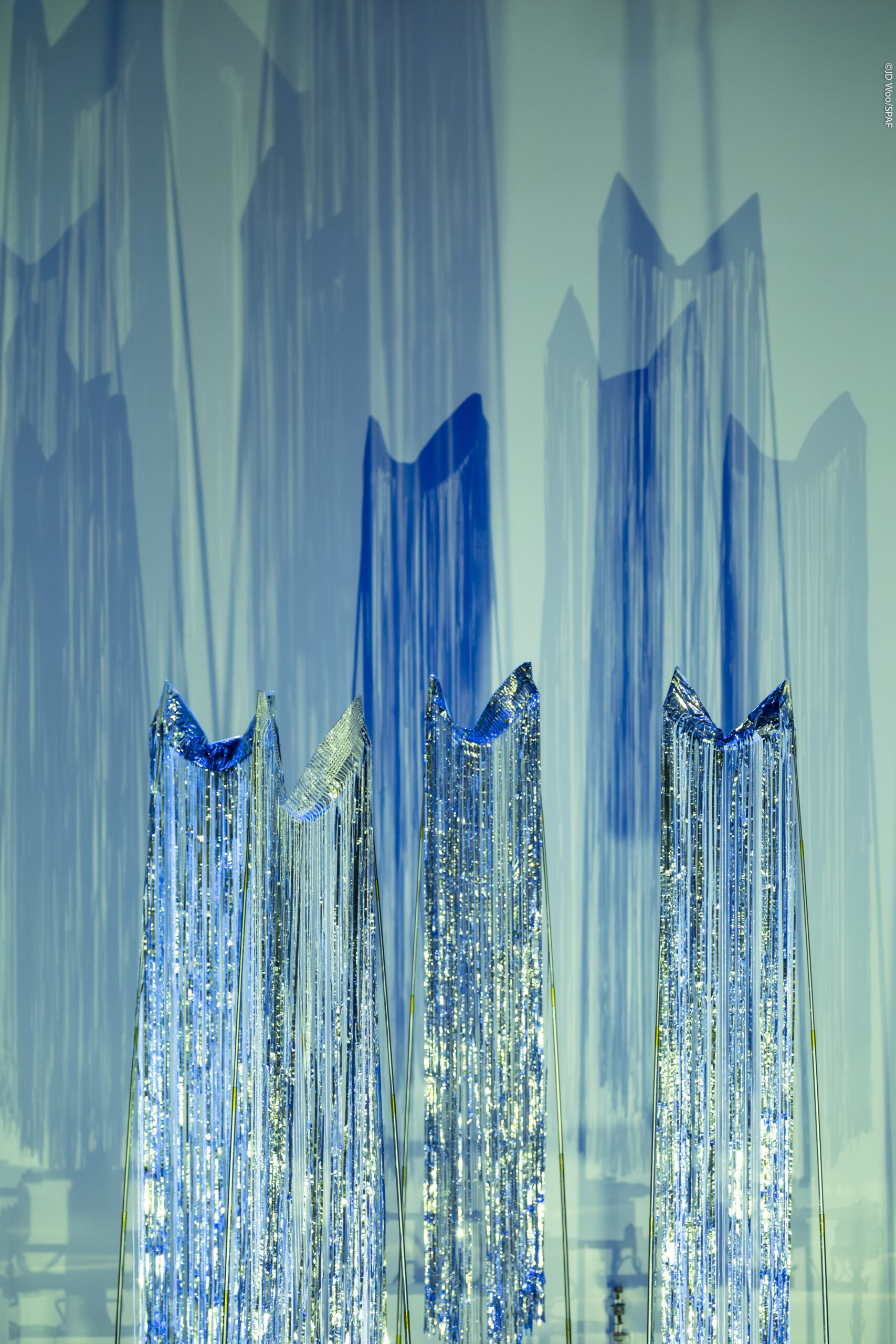
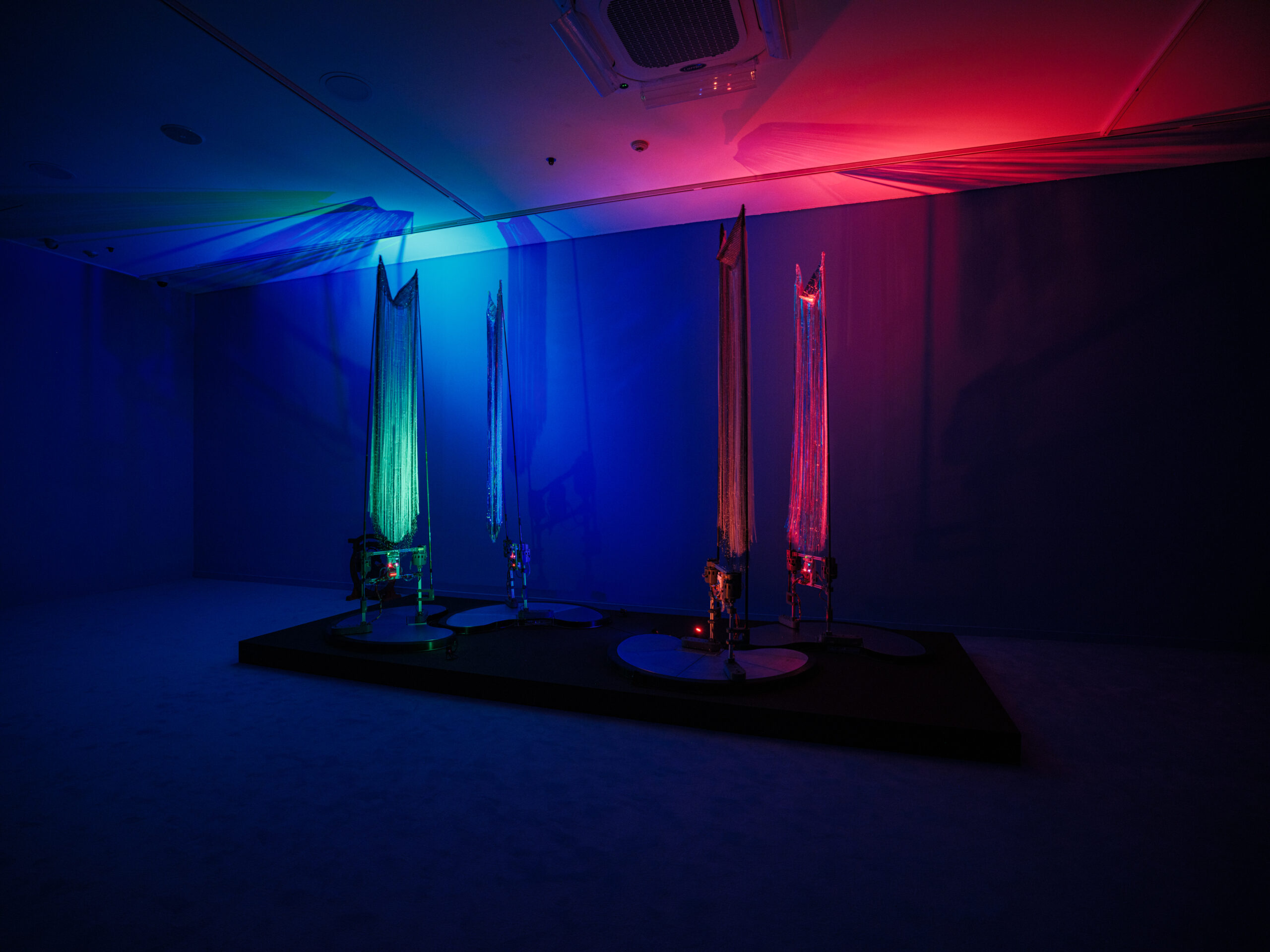
가내수공업적 방식으로 제작된 이 로봇들은 용도를 쉽게 규정할 수 없다. 그러나 기계적 메커니즘으로 재해석된 이 작업은 기술과 인간, 노동, 구원의 접점을 탐구하며, 현대 기술 사회를 성찰하는 시선과 질문을 담고 있다. 분절된 움직임은 인간의 춤사위를 모사하는 동시에 기계적 신체성을 탐구한다. 공동체 안의 소수자이자 타자로서 존재하는 이 로봇들은 움직임과 사운드, 빛을 통해 하나의 그림자 연극을 펼쳐낸다. 결국 이 로봇들은 인간성의 가장자리를 드러내는 매개자로서, 인간 사회의 주변부를 떠도는 존재들의 몸짓을 담아낸다.
Experiment Note
The robots produced and mobilized in the Robotic Sound Workshop each have a name. The robot known as Ahae—a name drawn from Yi Sang’s poem Crow’s Eye View—was first built for the mechanical theater piece On the Bird’s Day (2024). These figures exist as intermediaries between sky and earth and, by extension, the divine and the human. They are translators and inventors of language, carrying the words of gods to humankind and the words of humankind to the gods. Their language is scent; their script, gesture.
The robot GF3 is modeled after the human upper body and bears a strong impression of the artist’s own persona. The use of metal components was minimized through the incorporation of 3D printing techniques, enabling an expansive range of motion that spans two meters while maintaining efficient management of the unit’s weight and power consumption. By layering human memory and nuanced gestures onto a hardware design optimized for mechanical efficiency, GF3 transcends technical achievement to emerge as a presence imbued with artistic vitality.
Observation Note
Handcrafted with a homemade methodology, these robots resist easy categorization. Yet, reinterpreted through mechanical means, this body of work probes the intersections of technology, humanity, labor, and salvation. It carries a reflective gaze and poses a series of questions directed at contemporary technological society. Their segmented movements simultaneously evoke the gestures of human dance and interrogate a distinctly machinic corporeality. Existing as marginalized and othered beings within a community, these robots perform a form of shadow play through movement, sound, and light. Ultimately, they function as mediators that expose the outermost edges of humanity—giving form to the gestures of those who drift along the margins of human society.

실험일지 작성하기
Writing Experiment Log

copyright 2026
by Busan Museum of Contemporary Art All rights reserved.
담당자. 김소슬
부산광역시 사하구
낙동남로 1191
(하단동)부산현대미술관
051-220-7400
