

실험자 배경
정금형은 연극과 무용, 애니메이션을 수학한 배경을 바탕으로 신체와 사물의 교감을 다루는 독보적인 위치를 점하고 있다. 퍼포먼스를 근간으로 하는 시각예술로 작업의 영역을 확장해오고 있는 작가는 2016년 에르메스재단 미술상 수상을 기점으로 ‘수집과 소장’의 전시 문법을 본격화하였다. 작가는 원격 제어 로봇을 통해 기술적 통제와 실패 사이의 긴장을 다루며 국제적인 주목을 받았으며, 장소 특정적 전환과 실험실 같은 연출을 통해 인간과 기계 사이의 취약한 상호의존성을 극대화하여 보여주고 있다.
Geumhyung Jeong occupies a singular position in contemporary art, exploring the interplay between the body and objects through a practice rooted in her training in theater, dance, and animation. Expanding her work into performance-based visual arts, she began to actively develop an exhibition language centered on collection and holding in the wake of her receipt of the Hermès Foundation Missulsang in 2016. Her engagement with remotely controlled robots—and the tension between technological control and failure—has earned her significant international recognition. Through site-specific interventions and laboratory-like staging, she brings into sharp focus the fragile interdependence between human and machine.
실험 기록
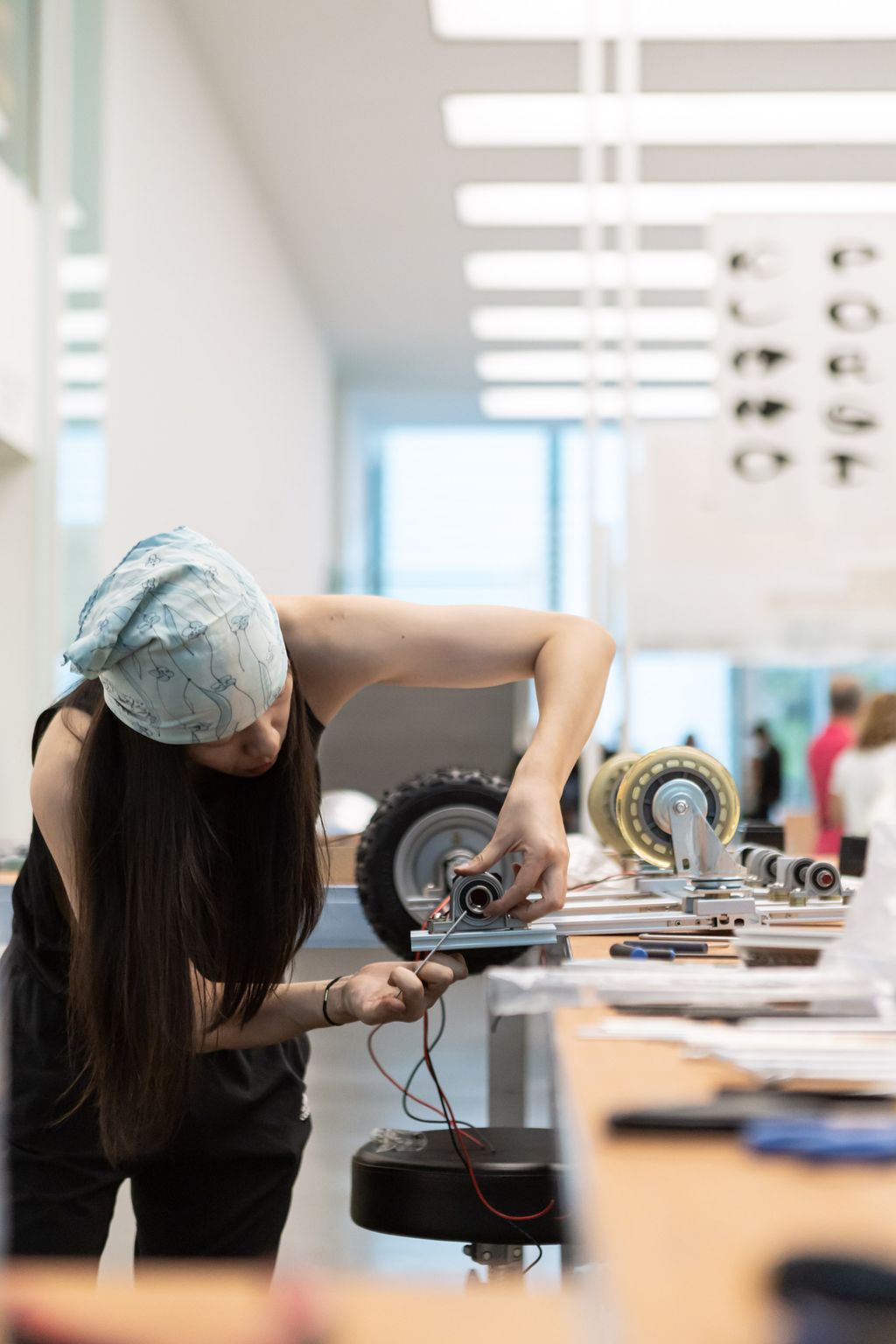
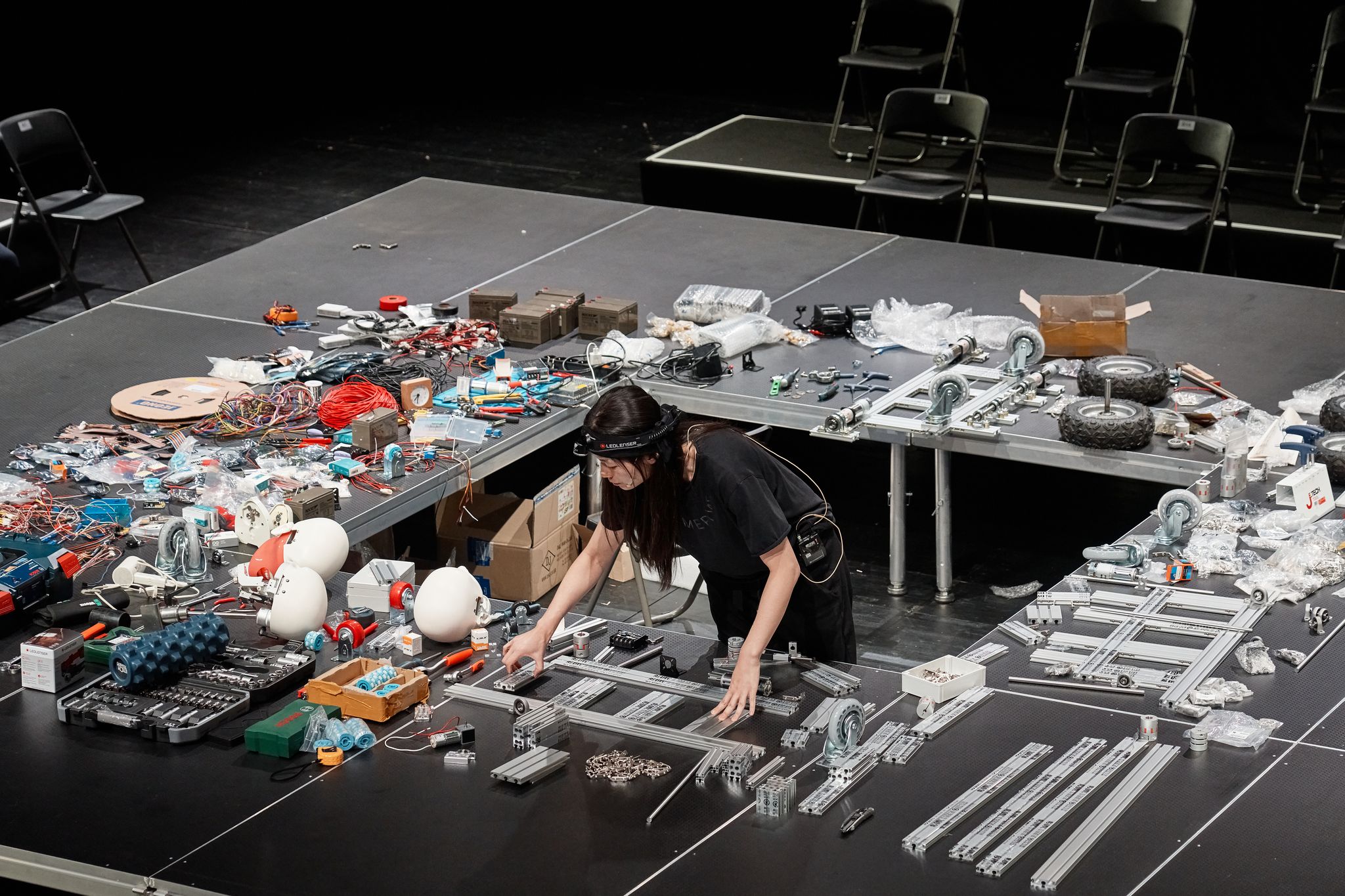
정금형의 작업은 신체와 사물의 관계를 탐구하는 퍼포먼스에서 출발해, 기계 부품과 인체 모형이 결합된 ‘DIY 로봇’을 만드는 독특한 방식으로 발전해왔다. 작가는 부품을 수집하고 독학으로 배운 프로그래밍으로 로봇을 제작하는데, 여기서 발생하는 ‘아마추어적 불완전성’이 오히려 작업의 핵심이 된다. 그의 로봇들은 산업용 기계처럼 매끄럽지 않다. 서툴고 예측할 수 없는 움직임을 보이며, 작가는 이를 끊임없이 고치고 관리하는 과정을 숨기지 않고 드러낸다.
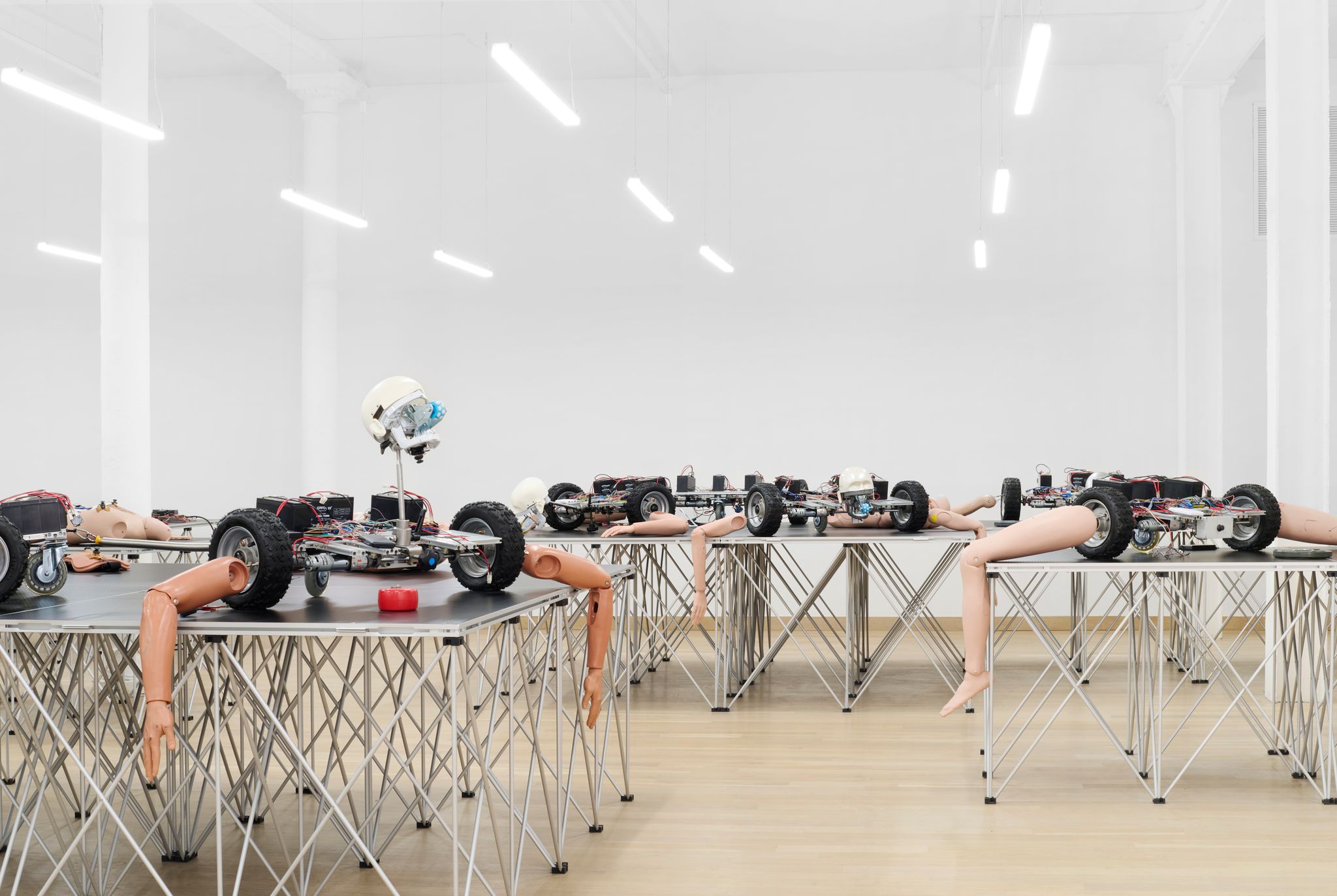
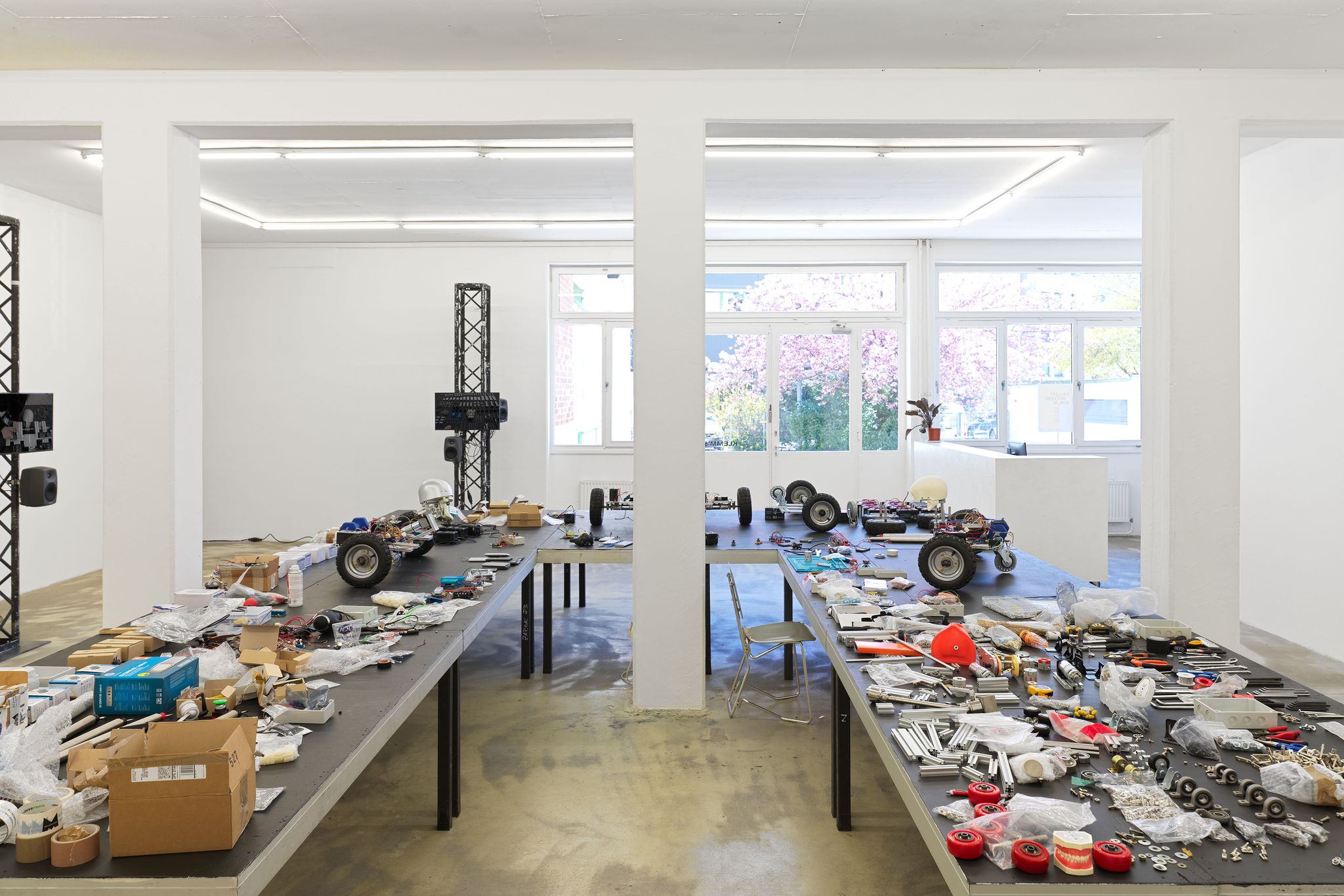
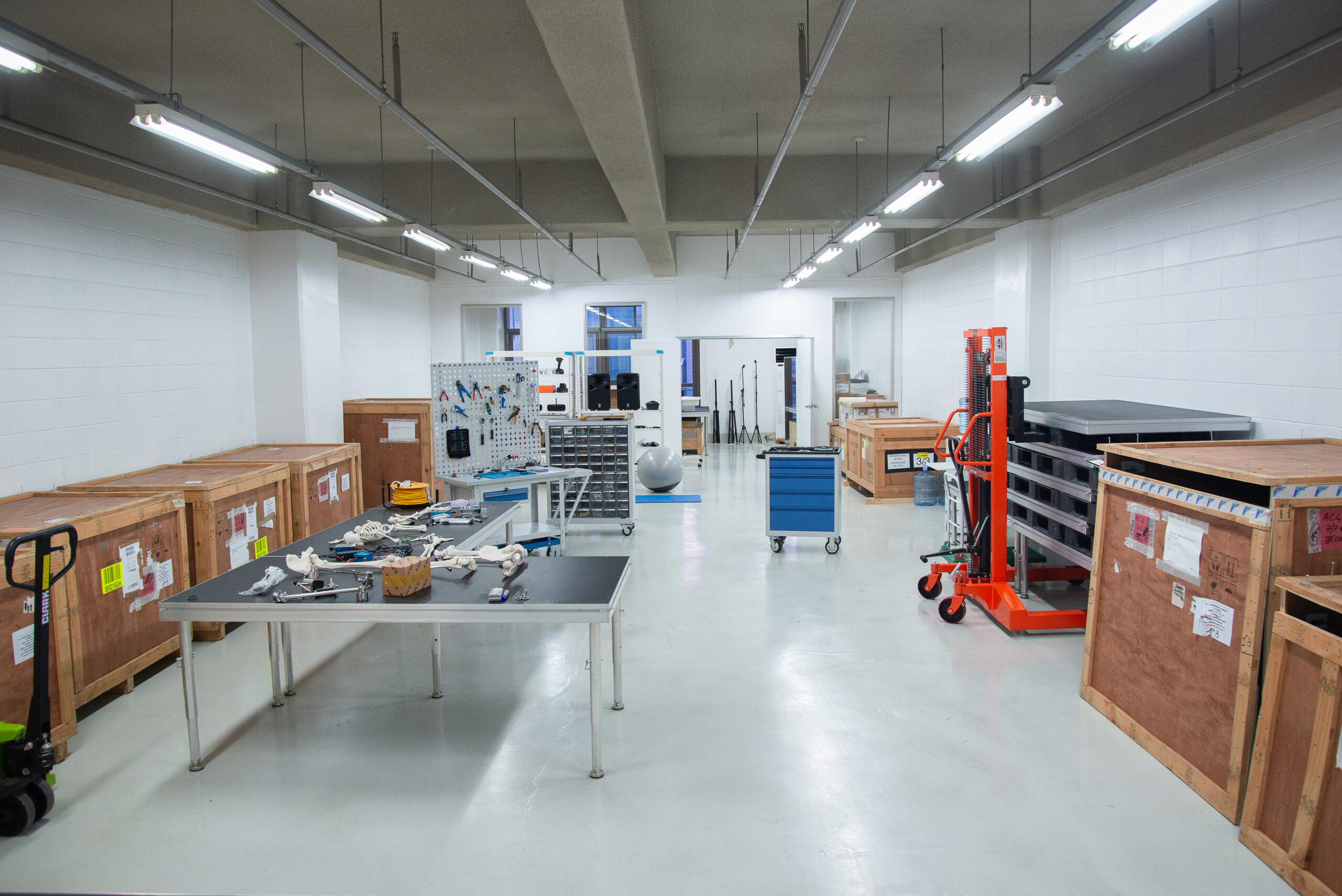
전시장에는 실험을 위해 수집된 신체들, 이미 사용되고 남은 부분들, 미래의 작동을 기다리는 기계 몸들이 작업 테이블 위에 함께 놓인다. 이러한 작업 방식은 점차 ‘수집’과 ‘보관’의 개념으로 확장되어, 작업실이자 수장고라는 독특한 공간을 만들어낸다. 작가는 〈재활훈련〉 같은 이전 작업을 완결된 형태로 재현하는 대신 “작업 중” 또는 “작업 대기 중”인 부품들로 해체해 지금 이 공간에 펼쳐놓는다.
관찰 소견
‘물질적 풍경’ 속에서 과거, 현재, 미래의 시간은 경계 없이 뒤섞인다. 관객은 작가의 작업실이자 수장고 안을 거니는 목격자가 된다. 완성된 작품을 보는 것이 아니라, 수집된 재료들이 끊임없이 재구성되고 진화하는 과정을 목격하는 것이다.
이 공간은 퍼포먼스의 생생함과 설치의 지속성을 결합한 ‘퍼포먼스-아카이브’의 새로운 형태를 제안한다. 정금형의 작업은 인간-기계 혼종체를 만드는 것이 아니라, 제작과 유지 보수라는 노동 과정 자체를 통해 신체와 사물의 관계를 재사유하게 만든다.
Experiment Note
Jeong’s practice originates in performances that investigate the relationship between the body and objects, and has evolved into a distinctive method of constructing “DIY robots” that conjoin mechanical parts with anatomical models. The artist gathers components and programs robots through self-taught code; the resulting “amateurish imperfection” becomes, paradoxically, the very core of the work. Her robots do not possess the sleek efficiency of industrial machines. They exhibit clumsy, unpredictable movements, and she makes no effort to conceal the ceaseless labor of repair and maintenance that sustains them.
Within the exhibition hall, bodies collected for experimentation, remnants already used, and mechanical forms awaiting future activation coexist together on the worktable. Her method has gradually expanded into the conceptual terrain of collection and storage, giving rise to the singular space that is at once studio and storage. The artist does not reproduce past works such as Rehab Training in a completed form; instead, she disassembles them into components that are “in progress” or “on standby,” spreading them across the space as it exists now.
Observation Note
Within this material landscape, the temporalities of past, present, and future intermingle without boundary. The viewer becomes a witness wandering through the artist’s studio and storage at once, beholding not a finished work but the unceasing process through which collected materials are reconstituted and evolve.
The space proposes a new form of the “performance-archive,” one that fuses the immediacy of performance with the durability of installation. Jeong’s practice compels us to rethink the relation between body and object not through the fabrication of a human-machine hybrid, but through the labor of making and maintaining as such.

실험일지 작성하기
Writing Experiment Log

copyright 2026
by Busan Museum of Contemporary Art All rights reserved.
담당자. 김소슬
부산광역시 사하구
낙동남로 1191
(하단동)부산현대미술관
051-220-7400
